Description
Specialized NIV system for neonates and children with advanced leak-compensation and non-invasive high-frequency oscillation
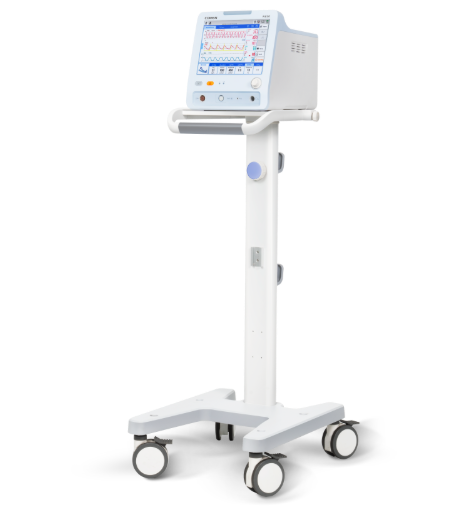
The Comen NV10 is a dedicated neonatal and pediatric ventilator engineered to deliver expert-level non-invasive respiratory support from first breath through acute care phases. Incorporating a comprehensive NIV toolkit—including nCPAP with apnea auto-relief, SNIPPV/NIPPV, HFNC with ROX index monitoring and single-limb non-invasive high-frequency oscillation (nHFO)—it proactively addresses the unique needs of fragile lungs. A sophisticated leakage-compensation algorithm ensures set pressures are maintained even under compromised mask seal conditions. With intuitive monitoring to track ROX, OSI, S/F and other respiratory indices in real time, the system strengthens clinical decision-making and safety in neonatal intensive care. Purpose-built to minimize work of breathing, reduce dead space and support early intervention in apnea and PPHN, the NV10 brings targeted ventilatory performance to the NICU, step-down and high-dependency pediatric settings.
Key Features & Technical Highlights
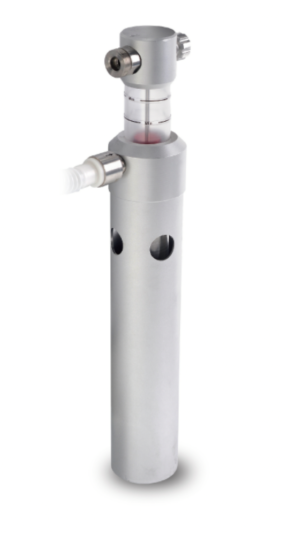
• nHFO single-limb high-frequency oscillation system — reduces dead space and enhances CO₂ elimination in neonates.
• HFNC with ROX index monitoring — enables optimized non-invasive oxygenation therapy and early failure detection.
• Dual-sync modes (abdominal & pressure sensors) with SNIPPV/back-up ventilation — improves patient-ventilator synchrony for spontaneous-breathing infants.
• Full NIV suite: nCPAP, NIPPV, DuoVent, HFNC — provides versatile non-invasive therapy across pediatric age groups.
• Leakage-compensation algorithm up to 100% pressure compensation — ensures consistent pressure delivery even with mask seal loss.
Workflow & Clinical Use
Designed for neonatal and pediatric care units, the NV10 streamlines workflow through tailored NIV modes, intuitive interface and advanced monitoring; patient comfort and safety are enhanced via sensitive synchrony and non-invasive high-frequency options, while clinicians benefit from early-warning indicators and consolidated respiratory parameter monitoring.